
Is Bright Paths Recovery the Right Fit for Inpatient Drug and Alcohol Treatment?
Choosing an inpatient rehab program is rarely a decision made in calm conditions. Families are often searching under pressure, trying to separate genuine quality of care from marketing polish. Bright Paths Recovery, a licensed residential treatment center in Northridge, California, has built a reputation in the Los Angeles recovery community, but reputation alone doesn't answer the practical question of fit.
This review takes a closer look at what Bright Paths Recovery actually offers, from its clinical structure to its day-to-day environment, to help readers judge whether it aligns with what they need from an inpatient program.
What Makes Bright Paths Recovery Stand Out
Bright Paths Recovery operates out of a fully remodeled 12-bed home rather than a large institutional campus, and that choice shapes nearly everything else about the experience. A smaller client population allows for a staff-to-client ratio of roughly three to two, which is unusually high for residential care and translates into more individual attention throughout the day.
A Boutique-Style Setting With Clinical Depth
That intimacy doesn't come at the expense of clinical rigor. The facility is licensed by the California Department of Health Care Services, accredited by The Joint Commission, and certified by LegitScript, credentials that indicate a level of oversight not every smaller provider maintains.
The treatment team is led by a medical director with more than four decades of experience in internal medicine, psychiatry, and addiction medicine, alongside a doctoral-level clinical director. Many case managers and group facilitators are themselves in recovery, which adds a layer of lived understanding to the clinical framework.
Reasons Bright Paths Recovery Fits Inpatient Care Well
- Small 12-bed capacity supports a personalized, non-institutional environment
- High staff-to-client ratio allows for closer daily supervision and support
- Joint Commission accreditation and state licensing confirm accountability
- Experienced medical and clinical leadership overseeing every treatment plan
Clinical Programming and Treatment Approach
The core of any inpatient stay is the treatment itself, and Bright Paths Recovery structures its clinical day around evidence-based methods. Cognitive Behavioral Therapy, Dialectical Behavior Therapy, and Motivational Interviewing form the backbone of individual and group sessions, supplemented by family therapy sessions held on-site once or twice a week.
Dual diagnosis care is treated as standard rather than an add-on. Clients dealing with PTSD, depression, anxiety, bipolar disorder, or OCD alongside substance use are assessed and treated for both conditions simultaneously, which reflects current best practice in addiction medicine.
Specialty Tracks Beyond Standard Treatment
What separates Bright Paths Recovery from many general rehabs is its willingness to build tracks around specific populations. Couples can go through treatment together while still following individualized plans, veterans and active-duty service members have a dedicated track, and executives and professionals such as physicians, attorneys, and pilots receive programming suited to their circumstances.
A Program Built Around Real Life
Clients are also permitted to keep phones and laptops during treatment, a detail that matters more than it might seem. For professionals who cannot fully disappear from work, or parents managing family responsibilities, staying connected without abandoning treatment discipline can be the difference between committing to a full stay and leaving early.
Substances treated range from alcohol and opioids to methamphetamine, cocaine, fentanyl, and benzodiazepines, giving the clinical team broad experience across the most common and most severe presentations seen in Los Angeles.
Daily Life and Amenities at the Facility
Inpatient treatment asks clients to live somewhere for weeks at a time, so the physical and daily experience matters as much as the clinical curriculum. Bright Paths Recovery structures each day around chef-prepared meals, morning check-ins, several clinical groups, and an evening wrap-up group, giving residents a predictable rhythm during a period that can otherwise feel disorienting.
Meals are prepared by a private chef who accommodates dietary restrictions, a detail that sounds minor until you consider how often food quality is overlooked in early recovery, when appetite and routine are already disrupted.
Recreation and Comfort Built Into the Routine
The property includes a gym with boxing, cardio, and weight equipment, a basketball court, and shared living spaces with streaming-equipped flat-screens in every room. Weekend outings to the ocean, museums, and other local spots give clients a change of scenery without leaving the structure of the program.
A Pet-Friendly Option Few Rehabs Offer
One feature that genuinely sets Bright Paths Recovery apart is its pet-friendly policy, allowing clients to bring their pets into treatment with them. For many people, separating from a pet during an already difficult transition is a real barrier to entering care, and removing that barrier can make the decision to seek help less fraught.
Admissions, Insurance, and Practical Considerations
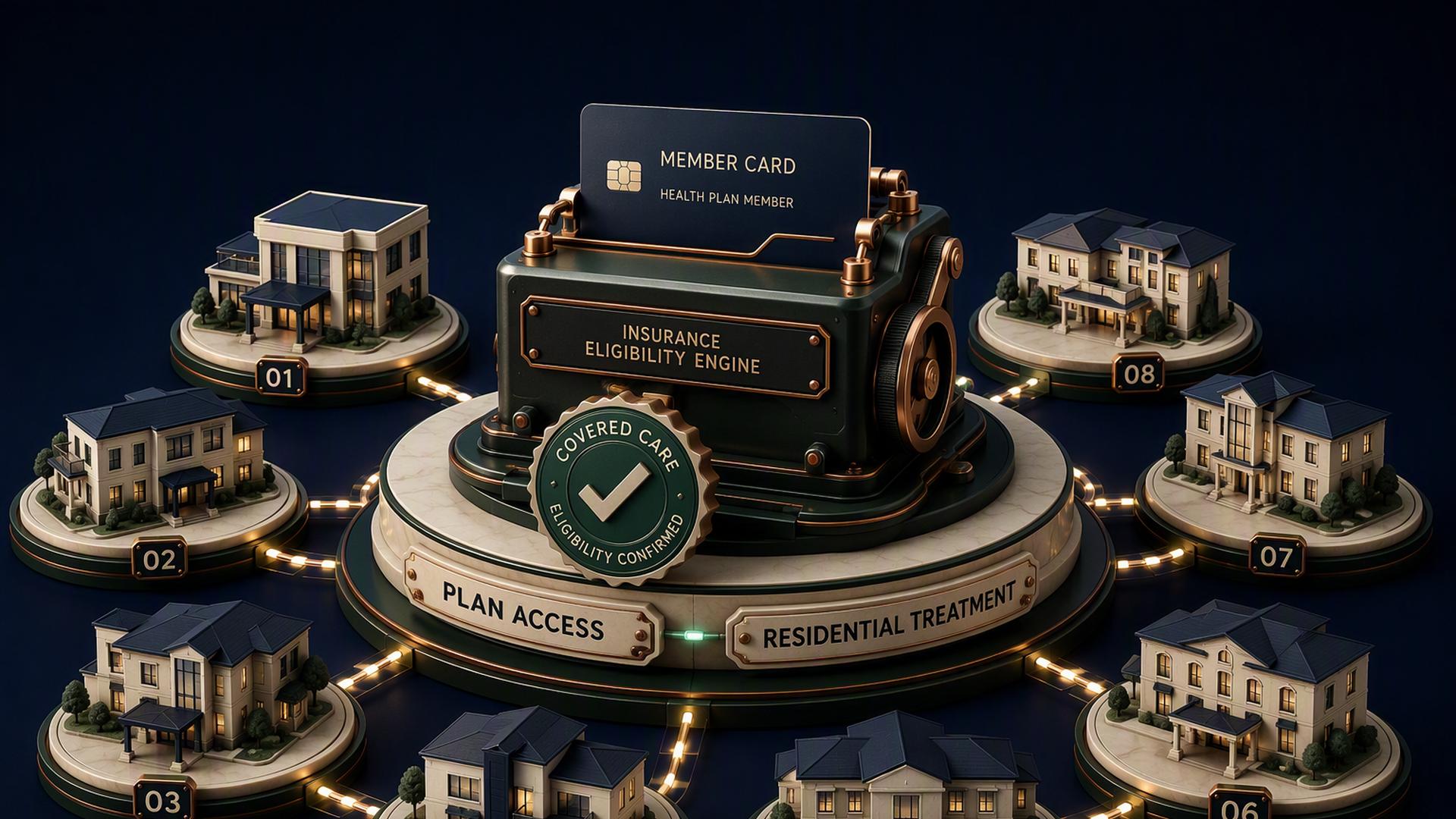
Beyond clinical quality, the logistics of getting into treatment often determine whether someone follows through. Bright Paths Recovery works with most major PPO insurance plans, including Aetna, Cigna, Blue Cross Blue Shield, and UnitedHealthcare, along with out-of-network benefits.
Same-day admissions are frequently available, and the facility arranges airport pickup for clients traveling from outside the area, which removes friction for families making arrangements quickly and under stress.
What to Know Before Reaching Out
It's worth noting that Bright Paths Recovery does not accept Medicaid or Medicare, and it does not run on-site outpatient, PHP, or IOP programs, instead coordinating referrals for those step-down levels of care. Prospective clients relying on those specific pathways should factor that into their planning.
The average residential stay runs between 28 and 40 days, with 35 days being typical, giving most clients enough time to move through detox, stabilization, and the early stages of skill-building before stepping down to the next phase of care.
Final Thoughts on Bright Paths Recovery
For someone weighing inpatient options in the Los Angeles area, Bright Paths Recovery presents a combination that's genuinely hard to find elsewhere: a small, closely supervised setting, accredited clinical oversight, specialty tracks for couples, veterans, and professionals, and practical touches like pet-friendly accommodations and same-day admissions that reduce the barriers standing between a person and the help they need.